
Reviewed · ARCTIC ICE FLOATING SESSIONS
Redrib survival suit experience
Helsinki turns winter into a sport. This Redrib survival suit experience lets you stay warm and dry while you float, walk on ice rafts, and learn why cold water can be safer with the right technique and gear. You start from the waterfront at Merisatamanranta, and the whole setup is built around getting active outdoors instead of huddling inside.
What I like most is how the suits do the heavy lifting. You get personalized, small-group attention (max 15), so you are not just handed gear and left to figure it out. Second, the instruction has a practical spine, with rescue-at-sea basics, cold-water survival ideas, and guidance tailored to whether you are in open water or on ice.
One consideration: you are still in natural winter conditions. Wind, waves, and rough water can make the moment of getting in feel intense, even when the suit keeps you comfortable.
In This Review
- Key things to know before you go
- Your Redrib survival suit Helsinki plan, in plain language
- Meeting at Merisatamanranta: where the action starts
- Getting suited up: what they provide and what you should wear
- Floating warm and dry: what the water time really feels like
- Ice season activities: ice behavior, ice rafts, and the penguin shuffle
- Open water season: rescue at sea, relaxation, and survival technique
- Safety and the instructor approach, including Olli, Leif, Oleg, Karl, and Robert
- How long you are out there, and why time feels right
- Price and value: is 162.20 USD worth it?
- Who this Helsinki winter float is best for
- Should you book Redrib in Helsinki?
- FAQ
- Where does the Redrib survival suit experience start in Helsinki?
- How long is the experience?
- Is the tour offered in English?
- What do I wear or bring for the suit activity?
- Will I be cold in the water?
- Can I participate if I cannot swim?
- What is the cancellation policy?
Key things to know before you go
- Max 15 people, real coaching: You get hands-on help and a calmer pace than bigger activities.
- Warm suit system: Extra socks and warm layers are provided, and most people report feeling surprisingly warm.
- Open water or ice plan: What you do shifts with conditions, so you still get the learning goals.
- Safety support during entry: Guides help people get in, including those who feel nervous or even cannot swim.
- You learn more than just floating: Hypothermia and rescue at sea come into the story, not just the thrill.
- Natural, outdoors-only setting: This is done in the Baltic, so expect real weather and real conditions.
Your Redrib survival suit Helsinki plan, in plain language
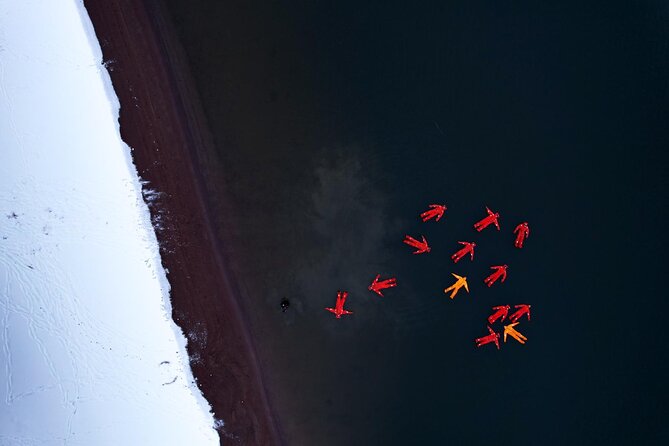
This is a 1 hour 30 minutes (approx.) small-group winter activity in Helsinki, focused on one big idea: you can experience cold-water survival training in a controlled, gear-supported way. The route is simple. You meet at Merisatamanranta 10, gear up on shore, then spend time out on the water or on floating ice rafts, and you return to the same meeting point.
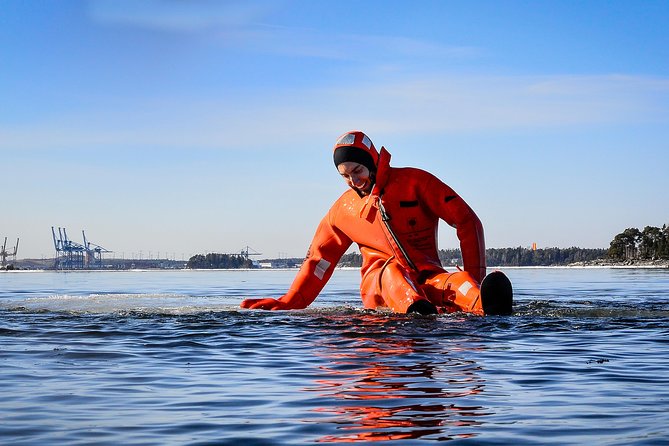
The suits are the centerpiece. They are designed to keep you dry and insulated while you float and move around. In practice, that means you can focus on what the instructors teach, instead of burning energy on fighting the cold. And because the group stays small, you get enough time to ask questions and get corrected on technique.
The tone is also worth noting. The experience is not only about science and safety lectures. It is active and outdoorsy, with time to relax (like lying on top of the water) and time for playful movement (jumping around on ice rafts when ice is available).
Meeting at Merisatamanranta: where the action starts
You start at Merisatamanranta 10, 00150 Helsinki, with a 12:00 pm start time. Since the end is back at the same meeting point, you are not hunting for a second pickup or transportation shuffle later.
Being close to public transportation is a practical win in Helsinki. You can build this into your day without turning it into a whole logistics project. Just plan to arrive a little early so you have time to get situated before the suit process begins.
One more heads-up: locations can vary depending on weather. The basic meeting point stays the same, but the exact water access spot may shift. That matters because Finland in winter can change fast, and the team adjusts to keep conditions safe and workable.
More suits zipped for the ice float:
Getting suited up: what they provide and what you should wear
You do not need to bring a wetsuit or cold-water gear from home. You come in normal seasonal clothing to an on-shore location, and the team provides what you need for the float.
From the experience itself and guide comments in participant feedback, you can expect extra insulating items like warm socks and mittens, plus a warm sweater to layer in. The suit setup is designed to reduce that first-shock discomfort that people often fear with cold water.
What you should bring, practically, is sensible winter layering. Wear warm layers and warm socks underneath the suit. If you show up in thin winter clothes, the insulation system may not perform as well for you personally. You are still going outside, and wind is a real factor even when you feel warm in the suit.
Floating warm and dry: what the water time really feels like
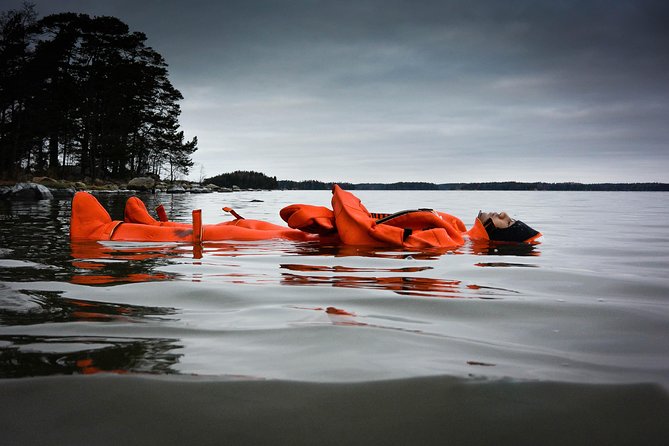
The core moment is the floating. In the colder months, you may lie back on top of the water and feel the suit doing its job. This is not scuba, and you are not swimming laps. It is more like controlled drifting and gentle movement while you learn how your body responds in cold conditions.
In feedback, many people highlight that cold did not feel as bad as expected once the suit was on. Some even described feeling so warm that it was almost too warm, which tells you the insulation is real. One participant talked about Baltic water feeling close to 0 degrees, and still reported they could barely feel the cold water once inside the suit system.
There is also a recurring theme about ease. If you are nervous about the entry, the guides help. People mention that they got a push or assistance to get into the water, and that support helps you get past the mental hurdle.
Ice season activities: ice behavior, ice rafts, and the penguin shuffle
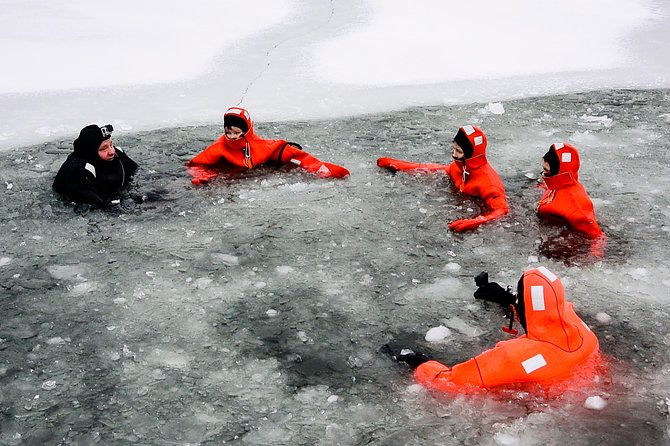
When ice conditions are available, the experience shifts from pure water floating to ice-focused training. The plan becomes more hands-on and more physical.
You can expect time on or around floating ice rafts, with a mix of relaxation and movement. One participant described walking like a penguin across frozen surfaces, which matches what makes this activity fun: you are playful, but still learning how your weight and balance matter on winter ice.
The big learning goal in ice season is not just enjoying the view. The instruction focuses on ice behavior and its effects, plus relaxation. That means you are learning how ice can act unexpectedly, which is exactly what you want to understand if you have ever seen thin ice and thought, I should not mess around there.
A small-group setting matters here. You are more likely to stay safe when the guide can monitor spacing, footing, and timing. Reviews also mention that guides make sure participants feel safe while they are on ice, even on rougher weather days.
More RIB runs through the archipelago:
- Helsinki: City and Outer Islands Guided RIB Boat Tour★ 5.0 · 69 reviews
- Redrib Archipelago Experience★ 5.0 · 51 reviews
- Redrib Helsinki Experience 1★ 5.0 · 33 reviews
- Helsinki: Archipelago RIB Boat Tour with BBQ Lunch and Sauna★ 5.0 · 27 reviews
Open water season: rescue at sea, relaxation, and survival technique
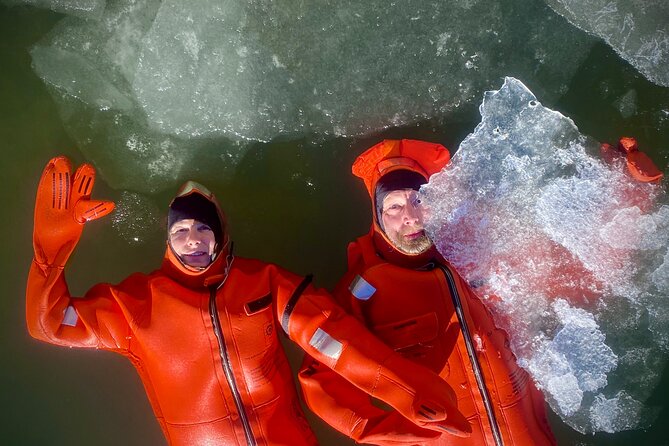
When there is no stable ice, the experience still runs. In open water season, the focus changes, but you still get a complete session, not a cancelled thrill.
In open water, the instruction leans toward rescue at sea, relaxation, and survival techniques. Hypothermia comes up here too, as part of understanding what cold does to your body and why you should not panic.
You still get time in the water with the suit. So even if you miss the ice rafts, you are not losing the core value. You get cold-water exposure with coaching, plus the lesson component that explains what matters in real-world emergencies.
One practical benefit of this split plan is that it protects your booking. Finland winter does not always line up with perfect ice conditions. The activity is flexible enough that you still get a meaningful experience, whether the water is open or iced.
Safety and the instructor approach, including Olli, Leif, Oleg, Karl, and Robert
Safety is a constant theme in how this experience is described. Guides actively help people enter the water, coach posture, and manage timing so you are not forced to rush.
Names that come up in participant experiences include Olli (spelled Ollie or Olli in different comments), Leif (also mentioned as a guide and part of the team), and Oleg (or Ole). Other roles mentioned include Karl, who helped with the transport to the floating spot and shared information about Helsinki, and Robert, who was part of the helpful team.
What you should take from this is not celebrity names. It is the method: guided entry, ongoing check-ins, and clear instruction. One review mentioned that even someone who cannot swim felt safe because the guide supported them and explained what to do. That is a huge deal for people who want the experience but are worried about their skills.
You will also hear safety logic tied to cold-water realities like hypothermia and rescue thinking. The point is not fear. It is control. If you understand why the body behaves a certain way in cold water, you are more likely to stay calm, breathe steadily, and follow instructions instead of improvising.
How long you are out there, and why time feels right
The entire experience is about 1 hour 30 minutes. That is a good length for most people because it balances immersion with comfort. You get enough water time to feel the suit system, enough instruction to connect the dots on cold-water survival, and enough movement to keep the session from feeling like waiting around.
Because the group size is capped at 15, transitions tend to feel smoother. You are not sprinting through suit stages while others queue behind you.
If the day is windy or the water feels rough, you still get value because the activity is built for real conditions. One participant even described a rugged day in terms of wind and weather, yet they felt at ease thanks to the crew.
Price and value: is 162.20 USD worth it?
At about $162.20 per person, this is not a cheap afternoon. The question is whether you get something you cannot replicate on your own.
Here is the value case that makes sense for most people:
- Equipment is included: the insulated Redrib survival suit system, plus extra warm layers like socks and a sweater layer.
- Instruction is part of the product: rescue at sea themes, hypothermia basics, and ice behavior learning are not just an excuse for a photo.
- Small-group safety coaching: with max 15 people, you get more attention during entry and movement than you would with a larger crowd.
- You get real Helsinki winter: not a studio class, not a viewing deck. You are in the Baltic water environment.
Is it overpriced if you only want a quick thrill? Maybe. But if you want a structured way to experience winter cold, with coaching and insulation, the price can feel justified. More than one review explicitly called it worth the money, and the repeated point was that they stayed warm and safe while doing something genuinely different.
A practical way to decide: if you would happily pay for a guided, gear-provided outdoor activity to experience winter differently, this fits. If you just want a photo and do not want instruction or the cold-water challenge, you might not feel the same value.
Who this Helsinki winter float is best for
This experience is ideal for active travelers who do not want to spend the whole trip indoors. If you like doing hands-on outdoor things, you will probably enjoy the balance of relaxation and movement.
It also works well for people who are nervous about the cold. Reviews repeatedly mention that people felt warm in the suits, that cold was manageable, and that support during entry removed fear.
You should also consider it if you want the survival-tips angle. The session is not only about floating. You get explanations connected to rescue at sea, hypothermia, and ice behavior. That gives the experience more meaning than just a novelty dip.
What might not fit as well:
- If cold water sounds like a deal breaker.
- If you prefer purely indoor winter activities.
- If you want a long, leisurely time on land with sightseeing. This is mostly in the water or on ice access points.
Should you book Redrib in Helsinki?
I would book it if you want a guided way to experience Finnish winter in the real elements, with insulation doing the work and a coach keeping you safe and informed. The repeated praise for warmth, safety, and helpful instruction is exactly what you want when you are learning cold-water technique.
I would think twice only if your idea of winter fun is warm cafés and slow museums. This experience is for people who are curious, a little brave, and happy to be outside for a practical, unforgettable session.
If you are on the fence, treat it like this: you are paying for controlled access to a cold-water training experience, with gear, time in the Baltic, and instruction that turns the weird cold into a skill you understand.
FAQ
Where does the Redrib survival suit experience start in Helsinki?
It starts at Merisatamanranta 10, 00150 Helsinki, Finland, and it ends back at the same meeting point.
How long is the experience?
The duration is about 1 hour 30 minutes.
Is the tour offered in English?
Yes, it is offered in English.
What do I wear or bring for the suit activity?
You can come as you are in normal seasonal clothing. The activity provides what you need for the float, and some reviews mention extra items like warm socks, mittens, and a warm sweater.
Will I be cold in the water?
The suits are designed to protect you and keep you warm and dry while you are floating and moving outdoors. Many participants report feeling surprisingly warm.
Can I participate if I cannot swim?
The experience is described as suitable for most travelers, and reviews mention people who could not swim still felt safe because the guide helped them enter and supported them during the activity.
What is the cancellation policy?
You can cancel for a full refund up to 24 hours in advance. If you cancel less than 24 hours before the start time, the amount paid is not refunded.
Fresh tracks out of Helsinki
- 5-Day Cultural Capital Tour in Helsinki, Porvoo, and Tallinn
★ 5.0 · 4 reviews - Helsinki Highlights: walking tour with local guide
★ 5.0 · 4 reviews - VIP Highlights Helsinki Sightseeing Private Service
★ 4.5 · 4 reviews - Helsinki Gems: Happiest Country Experience from Cruise Port
★ 4.5 · 4 reviews - Evening Cruise
★ 3.5 · 4 reviews - From Helsinki: Luxury Trip to Tallinn Ferry +VIP Car
★ 5.0 · 4 reviews - Explore Helsinki’s Art and Culture with a Local
★ 4.5 · 5 reviews
Arctic Ice Floating Sessions, compared.
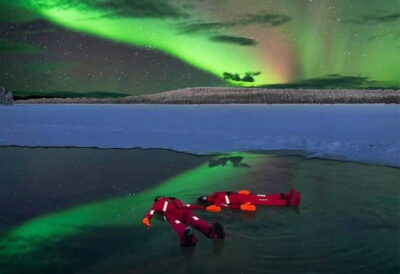
Ice Floating in Forest Lake with Aurora Borealis
Read our review →
Icebreaker Cruise with Ice Floating and Transfer
Read our review →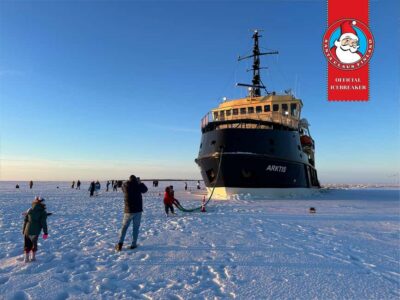
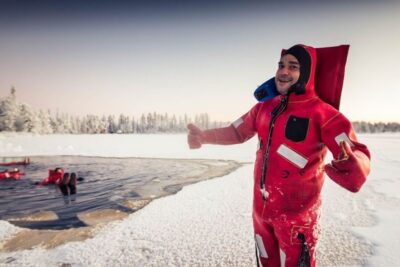
Daytime Ice Floating Rovaniemi, Frozen Lake Experience
Read our review →
Aurora Arctic Ice Floating in Rovaniemi, Small-group
Read our review →Browse the lists this tour appears in