
Reviewed · ARCTIC ICE FLOATING SESSIONS
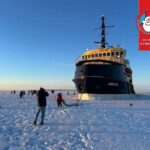
Haparanda/Tornio: Icebreaker Arktis Cruise with Ice Floating
Cold water, big ice, real science.
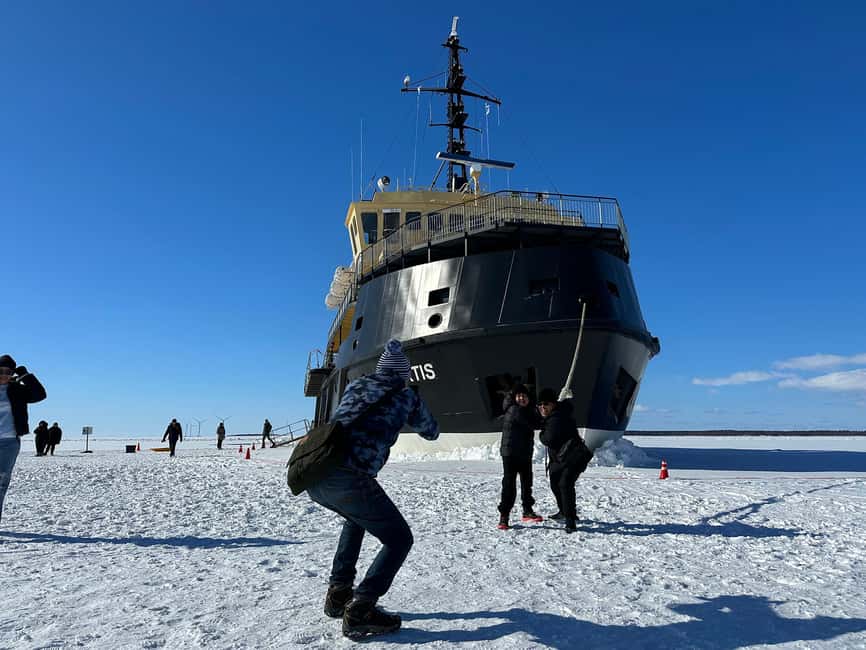
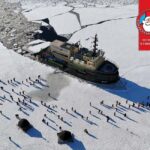
I love that the main thrill is practical and hands-on: ice floating in a thermal flotation survival suit, where you actually feel how cold Bothnian Bay water can be. I also like that you get a full 3-hour icebreaker cruise with time to watch the ship push through ice while the crew explains what makes icebreaking work.
One caution: the day is packed with extra add-ons around SnowCastle area, and you can lose track of what is included versus what costs extra. The price can feel fair for the core cruise, but plan on budgeting for food and optional activities, and double-check the pickup time, especially if you’re coming from Sweden.
In This Review
- Key Points Before You Go
- Haparanda or Tornio, Morning or Afternoon, and What That Means
- Shuttle Transfers and Pickup Times, Where Most Problems Start
- SnowCastle Area: Included Exhibition Time vs Paid Add-Ons
- Boarding the Icebreaker: What the Crew Teaches and How You’ll Feel
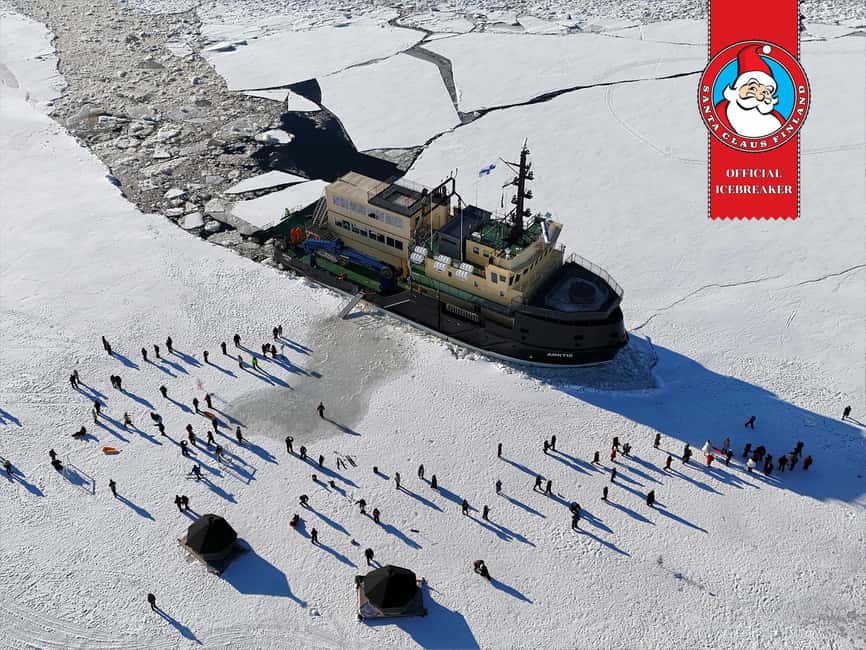
- Walking on the Frozen Sea, When It Happens and When It Doesn’t
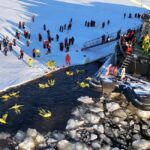
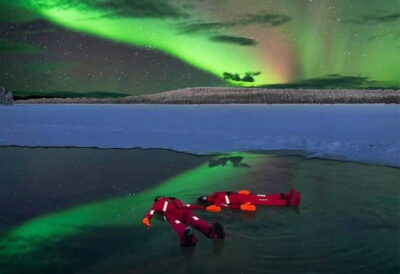
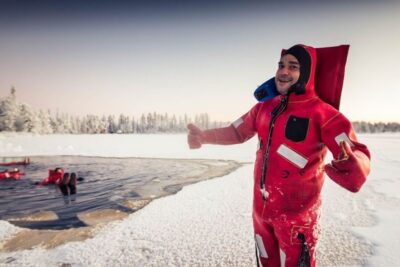
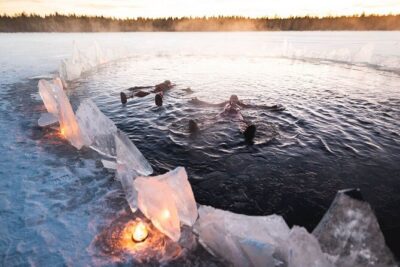
- Ice Floating in a Survival Suit, The Part You’ll Remember
- Deck Time, Photos, and Simple Comfort Tips That Make a Big Difference
- Food, Snacks, and Extra Costs: Getting Value Without Surprises
- Accessibility and Who This Cruise Fits Best
- Should You Book Icebreaker Arktis With Ice Floating From Haparanda/Tornio?
- FAQ
- How long is the whole experience from pickup to return?
- What is included in the price?
- Is walking on the ice included?
- What is ice floating, and is there a minimum height?
- Is there an instructor, and what language is it in?
- What should I bring for the day?
- Is this cruise suitable for wheelchair users or reduced mobility?
Key Points Before You Go
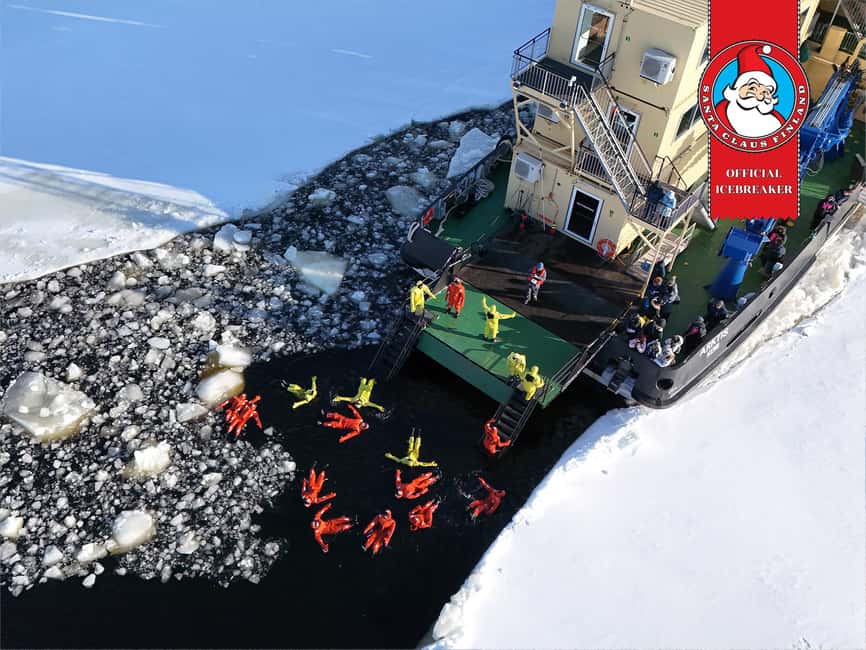
- Ice floating with a minimum height rule (140 cm), plus a thermal survival suit for safety and warmth
- A 3-hour icebreaker cruise that turns the science of breaking ice into something you can watch up close
- Walking on frozen sea only when weather permits, and early winter may mean you do less on-ice time
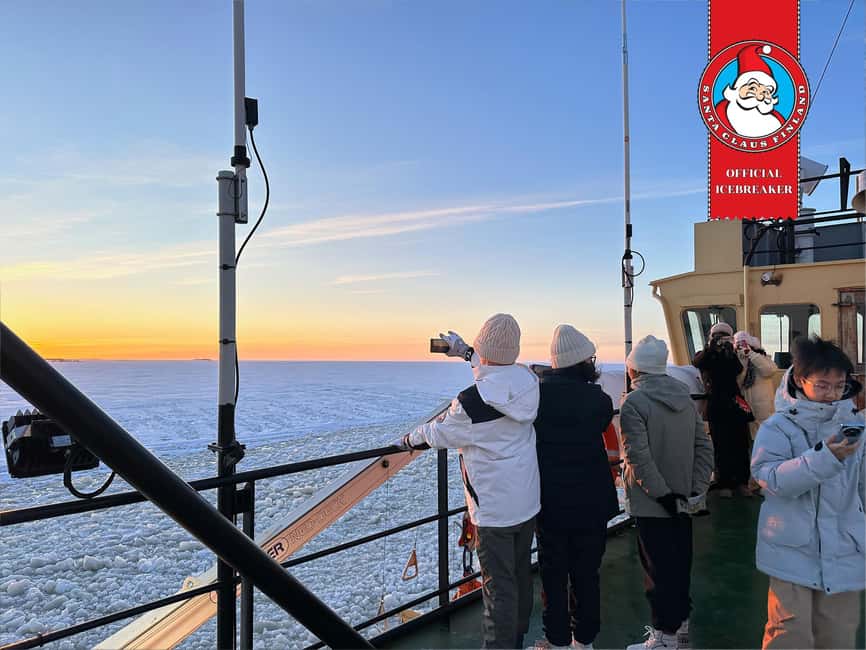
- Warm interior decks plus outdoor deck time for photos, with cold-air conditions outside
- SnowCastle area includes time to visit exhibitions, but extra attractions and meals may be separate
- Roundtrip shuttle from Haparanda or Tornio sets the pace, including a fairly long pre-cruise transfer window
Haparanda or Tornio, Morning or Afternoon, and What That Means
This is an 8.5-hour day built around one big idea: you leave from Haparanda or Tornio, ride to Kemi, and spend the heart of the day on the icebreaker Arktis. You choose either a morning cruise or an afternoon cruise, and the total experience runs long enough that you want to treat it like a half-day outing, not a quick excursion.
Morning and afternoon are similar in structure, but they differ in how you’ll spend your time at SnowCastle area. The morning option includes a longer window before boarding, plus optional breakfast timing, while the afternoon option gives you more of a mid-day check-in flow. If you’re someone who hates rushed check-ins, the morning schedule can feel calmer, but it is also when timing mix-ups can hurt the most.
The key thing to understand is that your day is not just “get on the ship.” It is a sequence: shuttle to Kemi area, check-in and optional meals or attractions, the cruise, then back to the Kemi area and finally returns to Haparanda or Tornio.
Shuttle Transfers and Pickup Times, Where Most Problems Start
The shuttle is part of the experience, and it is also where things can go sideways if you’re not careful. Your bus picks you up at a scheduled time outside the front of your pickup location. The pickup points include stops around Haparanda and Tornio, such as Cape East in Haparanda and Haparanda Stadshotel, plus Hotel Olof in Tornio. You will see an Icebreaker Sampo Shuttle bus or Icebreaker Arktis Shuttle bus sign on the windshield.
You should expect that your shuttle leaves from Haparanda or Tornio about 2.5 hours before the icebreaker cruise departure. That means you are often waiting around a bit before you even reach the harbor. It is not a flaw in your plan, it is how the day is designed.
Also, all times are in Finnish time, UTC+2. If you are staying in Sweden, I strongly recommend you do a quick sanity check before you leave your room. One real-world example: a mismatch of one hour led to missing a morning slot and paying for a taxi to reach the correct cruise. In winter travel, an hour is sometimes the difference between arriving on time and scrambling.
SnowCastle Area: Included Exhibition Time vs Paid Add-Ons
Most of your pre-cruise time is spent at the SnowCastle area in Kemi, with a check-in and then free time you can use in different ways. The schedule gives you a window to arrive, check in, and, depending on the option, either eat first or visit indoor attractions.
Here’s how I would budget the SnowCastle area time:
- The experience includes additional time for visiting exhibitions, and entrance to exhibitions is listed as included in the cruise price.
- Some add-ons are recommended, like SnowExperience365 (an indoor ice and snow attraction) and the Gemstone Gallery, and those are available for an extra fee.
- Food is not automatically included. Breakfast or lunch at Restaurant Lumihiutale is listed as an optional service that you should book in advance or purchase on site.
So, your best move is to decide early what kind of day you want. If you just want the cruise and ice floating, keep the SnowCastle area light: check in, use the included exhibition time, and save your energy for the harbor. If you want more winter-themed experiences, you can add SnowExperience365, but treat it as an extra paid layer, not something automatically bundled.
One more practical detail: plan for cold walking around the SnowCastle area, even if the indoor attractions are your comfort zone. Warm clothes still matter here.
Boarding the Icebreaker: What the Crew Teaches and How You’ll Feel
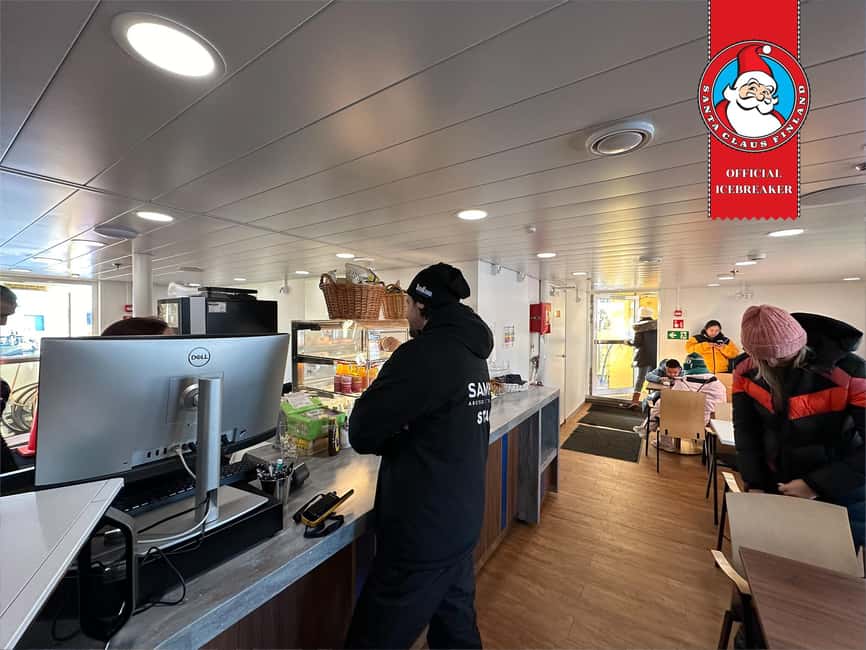
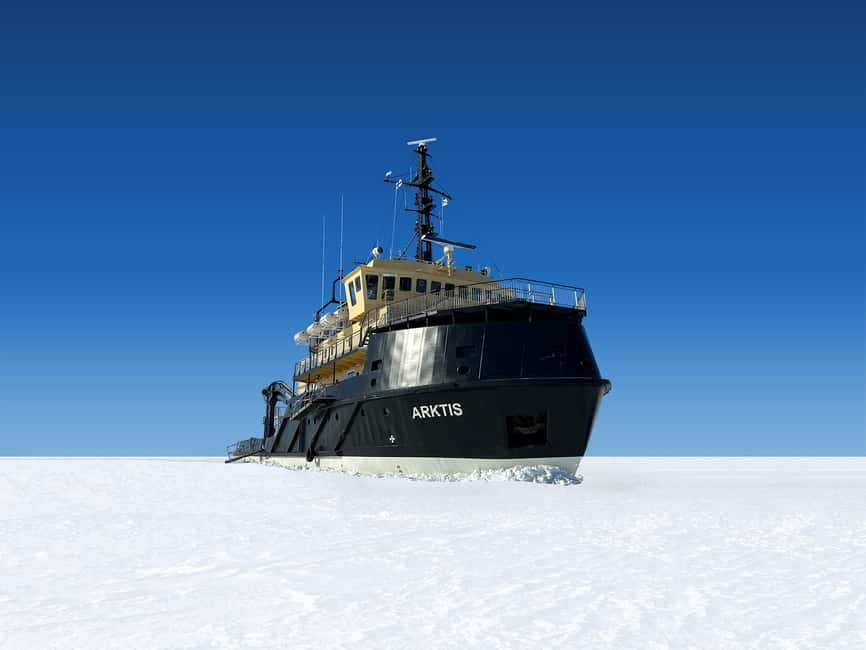
Once you reach the harbor, the main event kicks in with the 3-hour icebreaker cruise. The cruise runs for a long enough stretch that you get past the initial wow moment and into the rhythm of watching icebreaking happen for real.
The ship is warm inside, and you’ll have two cozy indoor decks plus a modern café with Arctic views. That matters because you will want a warm base between deck photo moments. It also makes it easier to stay comfortable even if the weather is windy outside.
The cruise includes an English instructor and time to meet the ship’s crew, where you learn about icebreaking. The value here is not just entertainment. It helps you interpret what you’re seeing: how the icebreaker moves, what the ship is doing to the ice, and why ice and water conditions determine what is possible during the program.
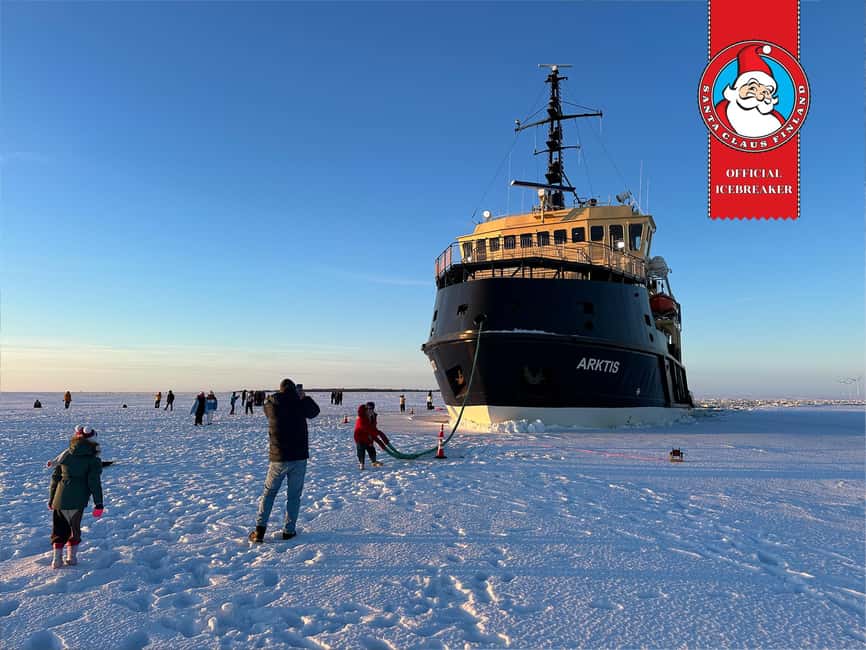
Expect the day to be weather-dependent. Walking on the frozen sea is listed as weather permitting, and early winter cruises might not include ice walking even if you are booked. That is not a scam. It is how safety planning works in real winter conditions.
Walking on the Frozen Sea, When It Happens and When It Doesn’t
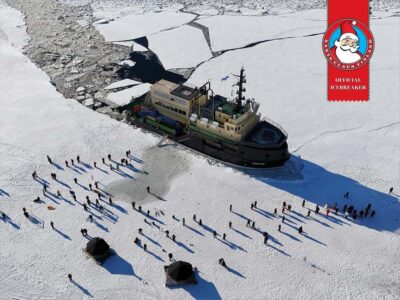
Walking on the frozen sea is one of the headline activities, but it is not guaranteed. The program specifies that walking is weather permitting, and early winter can mean you do less on the ice.
If you land on a day where ice walking is not available, you can still get a strong experience from the ship cruise and the ice floating. But if ice walking is the one thing you pictured as the main photo moment, you should go in with flexibility. Think of it like this: the icebreaker cruise is the constant, and walking is the bonus when conditions allow.
From a planning standpoint, I treat it as a two-part bet:
1) You are almost certainly getting the icebreaker time on the ship.
2) You might or might not get the extra on-ice walking depending on day conditions.
That approach keeps the day fun instead of stressful.
Ice Floating in a Survival Suit, The Part You’ll Remember
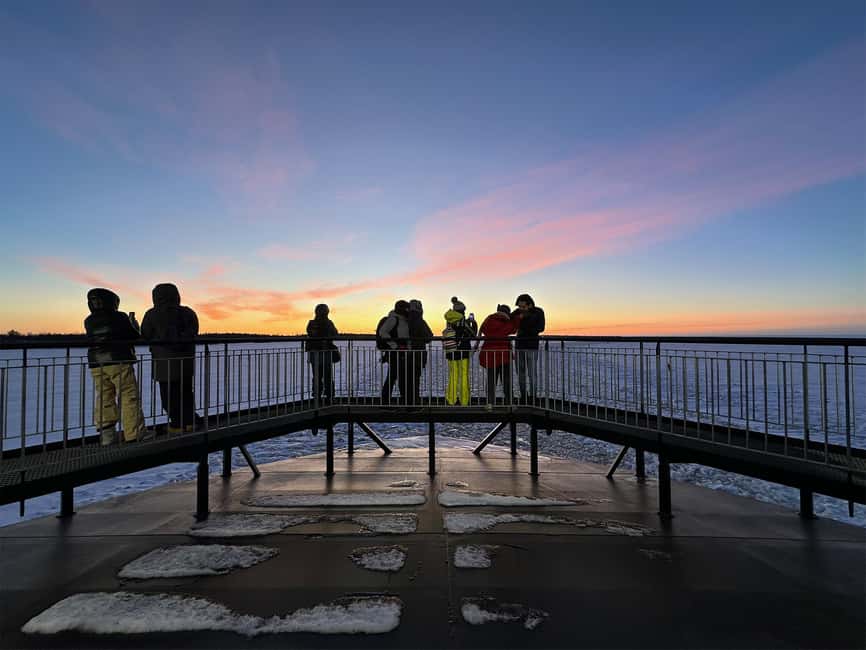
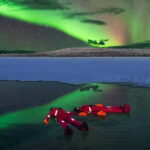
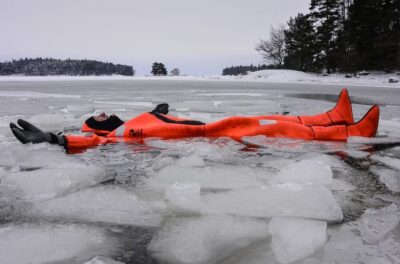
This is the money activity, and it is also the one that most clearly separates this cruise from any regular cold-weather boat ride. You test your courage by dipping into the icy water while wearing a thermal flotation survival suit.
Two important details matter before you get excited:
- There is a minimum height requirement of 140 cm for the ice floating activity.
- The program is designed with safety in mind, but you should still come prepared for real cold and real dampness.
I love that this is not just watching ice from afar. You feel the cold, and you understand why icebreaker operations are so important in places like Bothnian Bay. Even if you keep your expectations realistic, the first contact with the suit and the sensation of the water is a memorable reset.
Bring a change of clothes. Warm clothing alone is not enough if you end up damp. The day includes time indoors, but you will want to get back into dry layers once the floating portion is over.
Also, the ship’s interior stays warm, which helps you recover quickly. But the deck and the immediate cold-air moments around the water are not where you want to gamble on your clothing choices.
Deck Time, Photos, and Simple Comfort Tips That Make a Big Difference
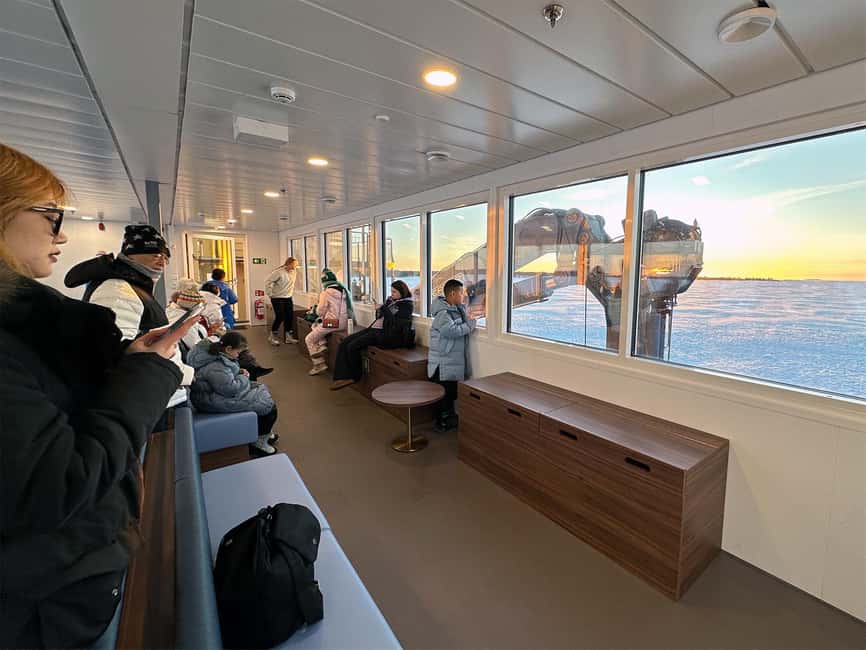
Even though the interior is warm, you should assume you’ll spend time outside on the deck for Arctic views and photos. With the right layering, that’s part of the fun.
A few practical tips from the program info:
- Pack sunglasses, especially in springtime when the snow can reflect strong light.
- Wear warm shoes. Ice and cold conditions make footwear comfort more important than usual.
- Keep your warm clothing accessible so you can respond quickly if you want deck time between indoor breaks.
If you’re planning a camera setup, I’d also plan your workflow for cold hands. You’ll be fine, but cold air is quick to sap comfort, so keep what you need within reach.
Photography services are listed as not included, so if you want professional photos you should know that option exists only if offered separately. For most people, your own phone or camera will do the job, but plan on changing batteries if you run into battery drain from cold.
Food, Snacks, and Extra Costs: Getting Value Without Surprises
The core cruise is priced around the icebreaker ride plus ice floating, with shuttle service and a participation certificate included. But food and many extras are not automatically bundled.
Not included items include lunch or breakfast buffet, photography services, and welcome drinks. In practice, this means you might spend extra money even if you do not add attractions beyond what’s available at SnowCastle area.
Two ways to keep value high:
- If you’re hungry early, consider booking breakfast or lunch at Restaurant Lumihiutale in advance. The schedule includes optional timing windows for these meals.
- If you are mostly focused on the ship and the ice floating, prioritize the included exhibition time and skip paid add-ons. It is easy to add attractions when you’re already in the area.
One real feedback point from a past participant is that some extra snacks or drinks would have made the overall value feel better. That isn’t a reason not to go, it just means you should plan your own food strategy so the day stays comfortable.
Accessibility and Who This Cruise Fits Best
This is not a tour for everyone in terms of mobility. The program states it is not suitable for guests with reduced mobility and also not suitable for wheelchair users. The ice floating and the cold outdoor portions are part of the activity design, and the itinerary includes transfers and deck movement that are not set up for wheelchair access.
It’s a good fit if you:
- Want an active, hands-on Arctic experience, not a passive sightseeing cruise
- Can handle cold weather and enjoy photos
- Are comfortable with a structured day that includes shuttle timing and a pre-cruise window at SnowCastle area
- Meet the height requirement for ice floating if that is your main goal
If you are sensitive to cold or mobility limits, you may want to rethink this specific option and look for alternatives that focus on warm indoor viewing. But if you’re healthy, steady on your feet, and excited about ice floating, this is exactly the kind of day that feels worth the effort.
Should You Book Icebreaker Arktis With Ice Floating From Haparanda/Tornio?
I’d book it if you want the kind of Arctic experience that gives you a clear wow moment and then explains the why behind it. The combination of the 3-hour icebreaker cruise, meeting the crew, and doing ice floating in a thermal flotation suit is a strong package for the price, especially since shuttle transport and a participation certificate are included.
I would hesitate if you:
- Miss time-zone math and hate schedule stress, since pickup timing is a major risk
- Need flexibility due to weather, since walking on the frozen sea is weather permitting
- Don’t want to think about extra spending for meals and optional attractions at SnowCastle area
If you do book, your best preparation checklist is simple: warm layers, warm shoes, and a change of clothes, plus sunglasses when light is strong. And when your confirmation shows Finnish time, treat it like gospel, even if you’re crossing from Sweden.
FAQ
How long is the whole experience from pickup to return?
The total experience runs about 8.5 hours. You’ll also have a transfer period that starts from Haparanda or Tornio, with the shuttle leaving about 2.5 hours before the icebreaker cruise.
What is included in the price?
The price includes roundtrip shuttle bus transportation from Haparanda or Tornio to the harbor in Kemi, a 3-hour icebreaker cruise, ice floating in the Bothnian Bay, and a cruise completion diploma or certificate of participation.
Is walking on the ice included?
Walking on the frozen sea is included only when weather permits. The program notes that walking might not be available in early winter season cruises.
What is ice floating, and is there a minimum height?
Ice floating is a dipping activity in icy water using a thermal survival suit with flotation. The minimum height requirement for ice floating is 140 cm.
Is there an instructor, and what language is it in?
Yes, there is an English instructor. The program is listed as English language.
What should I bring for the day?
Bring warm clothing, a change of clothes, and warm shoes. Sunglasses are also suggested, especially in springtime.
Is this cruise suitable for wheelchair users or reduced mobility?
No. The program states it is not suitable for guests with reduced mobility and is not suitable for wheelchair users.
Island-Water Decks

Aboard the Sampo
Zipped In, Floating
Arctic Ice Floating Sessions, compared.
Ice Floating in Forest Lake with Aurora Borealis
Read our review →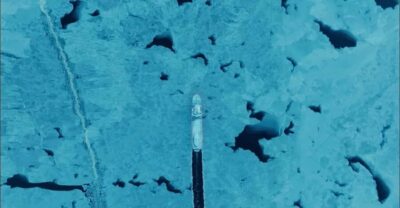
Icebreaker Cruise with Ice Floating and Transfer
Read our review →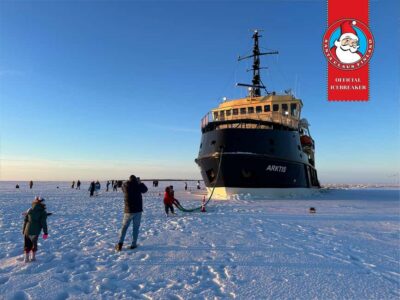
Daytime Ice Floating Rovaniemi, Frozen Lake Experience
Read our review →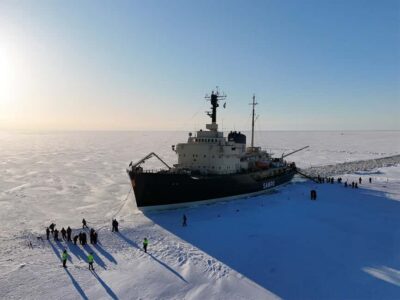
Aurora Arctic Ice Floating in Rovaniemi, Small-group
Read our review →Browse the lists this tour appears in