
Reviewed · SNOWSHOE TREKS IN SAARISELKä
Polar Night Snowshoe Trek
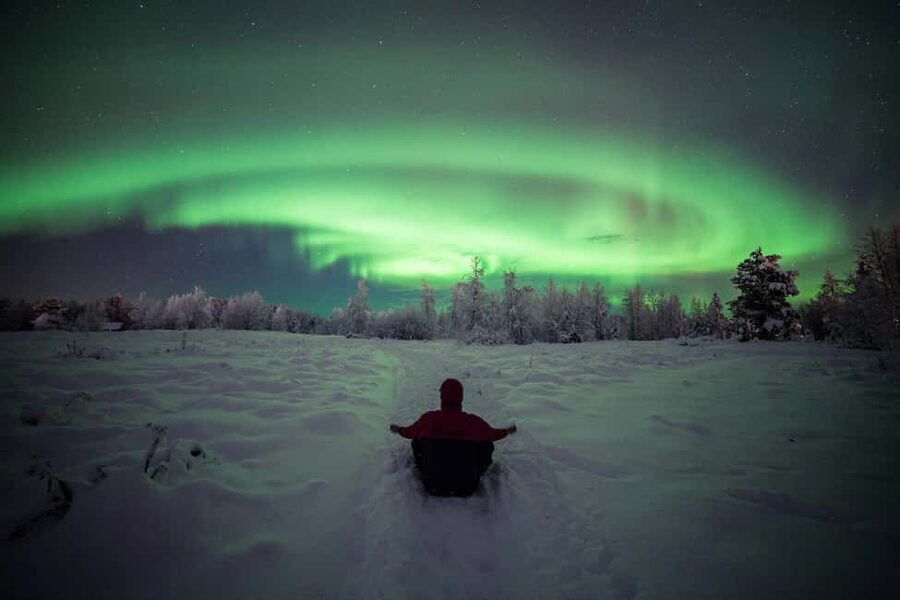
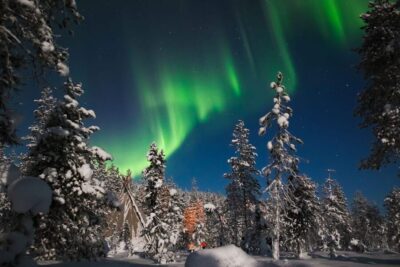
Northern lights season means real night magic. This Polar Night Snowshoe Trek pairs a guided forest walk with wildlife signs, then leans hard into the chance to see the Northern Lights from dark skies.
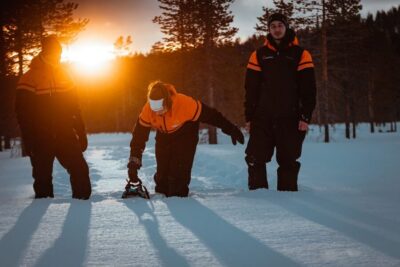
You’ll meet at Xwander headquarters, get fitted with winter gear, and head out into snow that feels untouched. I love that the walk is built around nature, not just photo stops.
What I like even more is the wildlife focus. Your guide will help you look for signs of willow and black grouses digging in the snow, plus the quiet telltales of reindeer out in the open. That makes the whole trek feel like learning, not just moving through darkness.
One drawback to keep in mind: the Northern Lights are a chance, not a guarantee. If you’re unlucky with cloud cover, you’ll still get a real snowshoe experience, but don’t plan your whole trip around a must-see light show.
In This Review
- Key points worth knowing before you go
- Why Polar Night Snowshoeing Works So Well in Lapland
- From Xwander Headquarters to the Snowshoe Start
- Wildlife Clues in the Snow: Grouse Signs and Reindeer Activity
- How You’ll Try for the Northern Lights From the Forest
- Warm Drinks, Light Snacks, and Winter Comfort That Actually Helps
- Price and Value: What $152 Really Buys for 3 Hours
- Who This Trek Fits Best (and When to Pass)
- What to Expect on the Ground, Not Just in the Brochure
- Should You Book This Polar Night Snowshoe Trek?
- FAQ
- How long is the Polar Night Snowshoe Trek?
- Where do I meet for the trek?
- What’s included in the price?
- What gear should I bring, and what can I rent?
- Which languages are available for the live guide?
- Is the Northern Lights guaranteed?
Key points worth knowing before you go
- 3 hours on snowshoes that fit well as an evening activity in Lapland
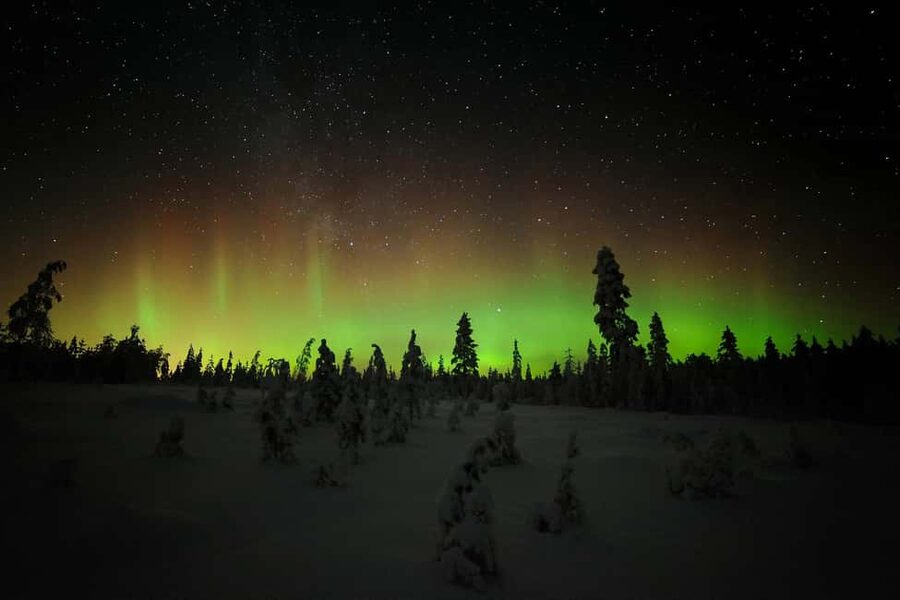
- Dark skies matter, and the trek is designed for a better Northern Lights view
- Wildlife spotting focus, especially willow and black grouse digging signs
- Warm drinks and light snacks keep you comfortable while you’re out in the cold
- Winter overalls and boots are not included, but you can rent a full set
Why Polar Night Snowshoeing Works So Well in Lapland
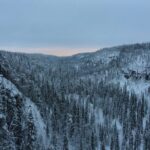
Lapland in winter has a specific rhythm. The day runs short, light fades fast, and the night becomes the main event. That’s exactly why this kind of tour makes sense in polar night season.
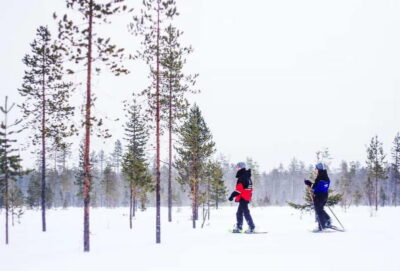
A snowshoe trek also changes how you experience the forest. Walking normally on deep snow can feel clumsy and slow. Snowshoes spread your weight, so you can move steadily and actually look around. You also go slower than you would on a packed trail. That extra time in place is what helps with wildlife signs and sky watching.
This trek also gets the “right ingredients” together. You get time outside, guided attention on living things, and enough darkness to try for the Northern Lights. Even when the lights don’t cooperate, the forest walk still delivers. Snow, stillness, and that long winter sky can be striking on their own.
From Xwander Headquarters to the Snowshoe Start
The evening starts at Xwander headquarters, where you’ll meet your guide and get geared up. That gear step matters more than people think. Proper winter layering and warm footwear are the difference between an enjoyable cold walk and a miserable one.
What’s included is guide services, hot drinks and light snacks, and transfers from Ivalo and back. That’s a big value point, because winter driving and winter logistics can be tiring on your own. If you’re staying in Ivalo, you’re set up for a smoother evening.
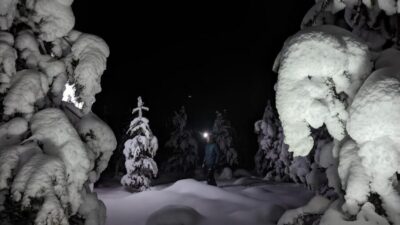
You’ll then head into the snowy forest with the group. Expect a guided route through wintry terrain where you can stop, look, and listen. The goal is not to rush. It’s to let the night, the animals, and the sky all have a turn.
If you are staying farther out, note that supplementary transfers from places like Inari, Nellim, Kakslauttanen, Kiilopää, and Saariselkä are not included. Plan extra transport in advance if your base is outside the Ivalo area.
More Snowshoe Treks in Saariselkä
Wildlife Clues in the Snow: Grouse Signs and Reindeer Activity
This tour does something smart: it trains your eyes on details you might miss on your own. The guide helps you look for signs of willow and black grouse as they dig in the snow. That’s not random trivia. Grouse digging signs are part of how these birds forage in winter, and learning what to look for turns the forest from scenery into a living system.
You may also spot signs of reindeer grazing in the winter scenery. Even when you don’t see the animals themselves, you can often read the landscape through their activity, tracks, and grazing spots. Your guide’s job is to translate that winter silence into something you can understand.
I particularly like the balance here. You get wildlife focus, but you’re not stuck scanning every ten seconds. The pace gives you time to walk, time to warm up, and time to actually watch the sky when the conditions are right.
Also, one practical note. In winter, your eyes will water and your nose will go cold if you’re under-layered. If you want to focus on signs, bring warm clothing and protect your face. If you can stay comfortable, you’ll see more.
How You’ll Try for the Northern Lights From the Forest
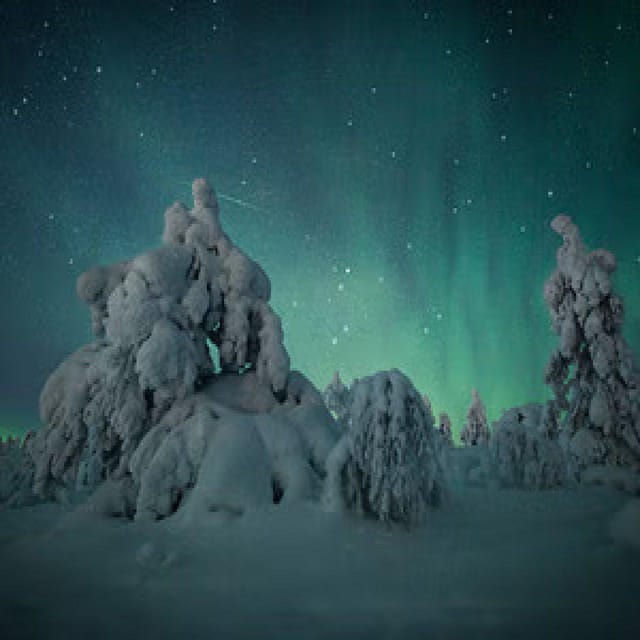
The Northern Lights part is built around the simplest advantage: low light pollution. In polar regions, darkness can be your friend. It makes the aurora easier to see when it appears.
This trek is scheduled for an evening outing, which helps. The guide will take the group out into open sight lines as conditions allow, and you’ll have time for sky watching. You’ll want to treat it like a waiting game, not like a guaranteed show.
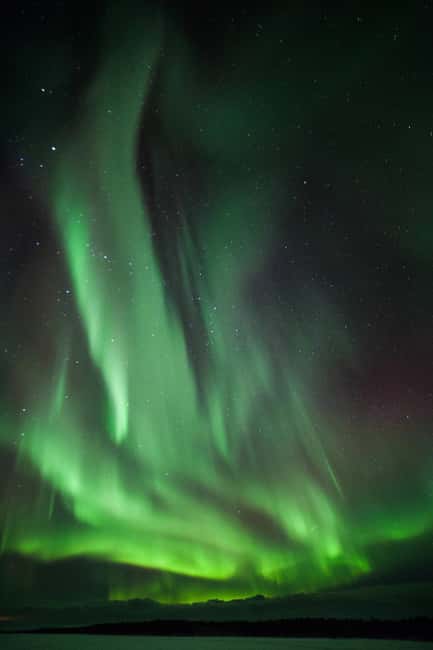
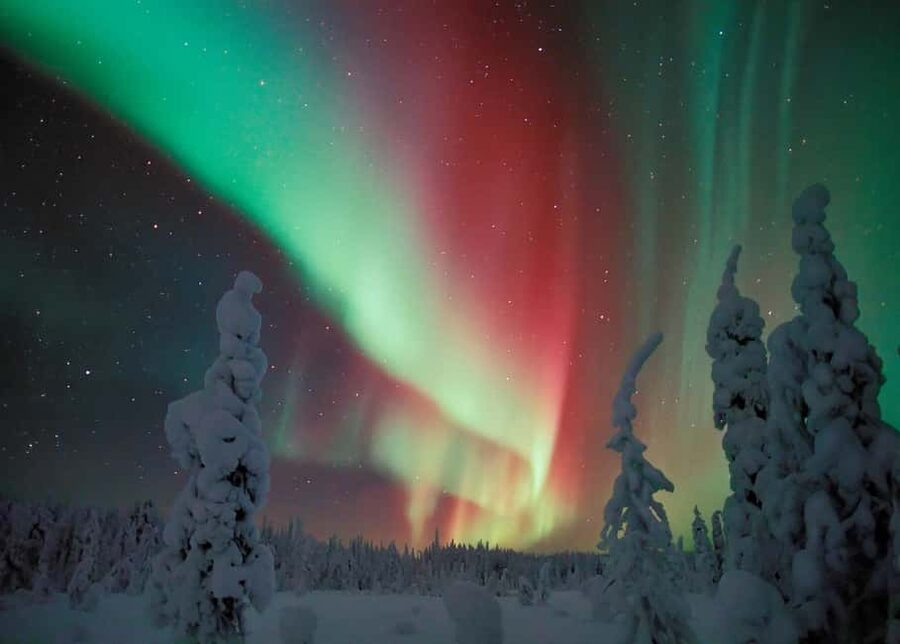
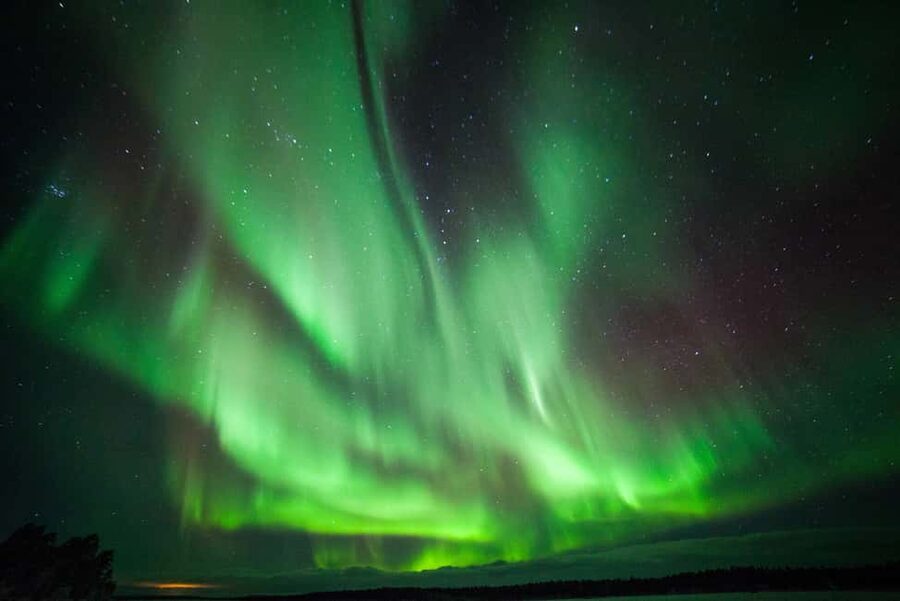
A key mindset shift: even if you don’t see the lights, the “attempt” still pays off. Watching the sky go from deep black to faint green and back again can feel like its own experience. And if the lights don’t show, you still walk through a forest at night with snow underfoot and warm breaks planned in.
Real talk from experience in this region: cloud cover and humidity can ruin the show. If the forecast looks rough, don’t be surprised. Bring the right attitude, and you’ll enjoy the walk even without aurora.
Warm Drinks, Light Snacks, and Winter Comfort That Actually Helps
Cold tours can fail in one way: you get too cold to keep paying attention. This one helps you avoid that by including hot drinks and light snacks. It’s a small line in the description, but it’s the difference between gritting your teeth and enjoying the evening.
You’ll also have the benefit of pauses during the trek. Those breaks give your body a chance to recover while your mind resets for the next part, whether that’s wildlife clues or another round of sky watching.
On top of that, you can rent winter overalls, boots, socks, and gloves if you need them. That is huge for visitors who pack lightly or don’t want to buy bulky winter gear for one trip. Just plan for the fitting and rental time before you go out, so you’re not rushing at the last minute.
What you should bring yourself is basic but important:
- Warm clothing (layering is the secret)
- Comfortable shoes
- Water
- Snacks and drinks if you prefer your own
- Snow clothing suited to cold, snowy walking
Also, keep the rules in mind. Weapons or sharp objects are not allowed. Smoking, alcohol, and drugs are not allowed. It’s a safety and comfort thing, especially with winter conditions.
More powder crossed on snowshoes:
- Rovaniemi: Hiking and Snowshoeing Adventure in Lapland★ 4.4 · 753 reviews
- From Rovaniemi: Snowshoeing and Ice Fishing Tour★ 4.7 · 190 reviews
- Levi: Pallas-Yllästunturi National Park Snowshoeing Tour★ 4.8 · 112 reviews
- Rovaniemi: Winter Wilderness Snowshoeing Trip★ 4.5 · 111 reviews
Price and Value: What $152 Really Buys for 3 Hours
At $152 per person for a 3-hour trek, you’re paying for more than “walking in the snow.” You’re paying for a guide, winter logistics, and bundled comfort.
Here’s the value breakdown:
- Guide services: you’re not just left to wander. You’re looking for specific wildlife signs and watching the sky with local help.
- Hot drinks and light snacks: you avoid that expensive “buy it all yourself” trap while staying warm.
- Transfers from Ivalo and back: this can easily become the hidden cost of winter activities if you have to arrange transport on your own.
What’s not included is winter overalls and boots. That means the final cost depends on your packing situation. If you already have insulated boots and proper winter gear, you can keep costs down. If you don’t, renting the full set helps you travel smarter, but it’s an add-on to budget for.
One more value detail: language options. The guide can work in English, Finnish, French, and Spanish, which makes it easier to understand wildlife and aurora advice rather than just following along.
In short, this is a good value option when you want an organized evening without the hassle of equipment, navigation, and dark-sky uncertainty. If you’re the kind of person who enjoys learning what you’re seeing, it feels worth it. If you only want a quick photo, you might find other free or self-guided options more appealing.
Who This Trek Fits Best (and When to Pass)
This is a strong fit for:
- People who want an organized night activity with a guide
- Anyone curious about winter wildlife clues, especially grouse digging signs
- Travelers staying in Ivalo who want transport handled
- Viewers who enjoy Northern Lights attempts without expecting guarantees
It’s less ideal if:
- You can’t handle cold outdoor time comfortably, even with warm drinks and snacks
- You expect the aurora to be guaranteed (it isn’t)
- You’re not willing to rent or bring proper winter gear
One thing that can affect your comfort is the trek intensity. In this type of polar night outing, routes can vary depending on weather and conditions. You may find trails at first and then more challenging snowy ground later, depending on the day and your group. If you’re fairly new to winter walking, wear the warmest layers you own and take your time.
What to Expect on the Ground, Not Just in the Brochure
Here’s the practical reality of the experience.
You’ll start warm-ish at the meeting point, get fitted, and then step into a night world where sound carries differently. Snowshoe walking feels odd at first, but after a few minutes your body learns the rhythm. Then you can focus on the things your guide is pointing out.
The wildlife segment is the “aha” part if you like nature details. Looking for grouse digging signs gives you a concrete task. Reindeer grazing signs add another layer of winter ecology. It’s a small shift from passively watching to actively noticing.
Then the evening turns toward the sky. Even if you don’t get aurora, night sky watching with a guide changes your experience. You learn where to look and how to wait. That matters because the Northern Lights can show up in moments, not in a constant glow.
At the end, you’ll return with the included transfers from Ivalo, ready for sleep. That’s another underrated benefit. A 3-hour experience is long enough to feel substantial, short enough to keep your next day easy.
Should You Book This Polar Night Snowshoe Trek?
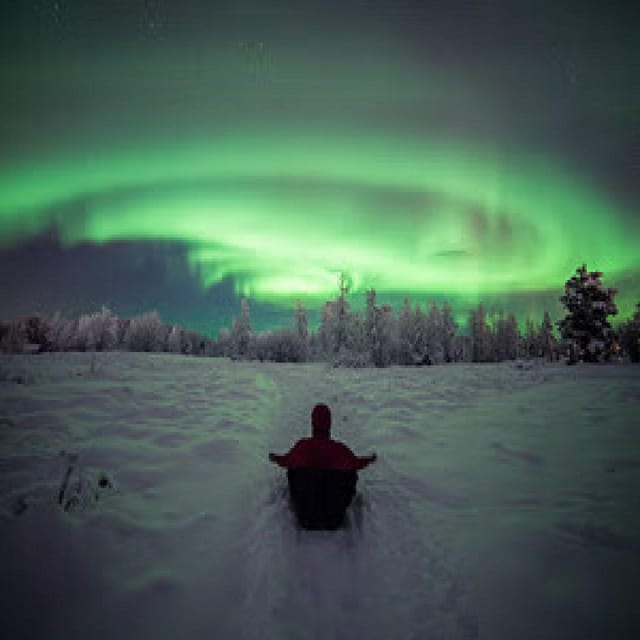
If you want a guided 3-hour winter outing that blends snowshoe walking with wildlife clue spotting and a realistic attempt at the Northern Lights, I think this is a smart booking. The included transfers from Ivalo are a big convenience win. The hot drinks and light snacks help you stay comfortable enough to actually enjoy the night.
Book it if:
- You’re staying in Ivalo
- You care about animal signs, not just the view
- You’re okay with the Northern Lights being a chance
Consider skipping or planning differently if:
- You’re hoping for aurora as a guaranteed event
- You don’t have proper winter gear and don’t want to rent it
- You need transport from outside the listed included areas, since supplementary transfers are not included
If you match those boxes, this trek is an excellent way to spend a polar night in Lapland, with nature and darkness working together instead of fighting you.
FAQ
How long is the Polar Night Snowshoe Trek?
The duration is 3 hours. Check availability for starting times.
Where do I meet for the trek?
You meet up at Xwander headquarters, and then you get geared up for the snowshoe trek.
What’s included in the price?
Included are guide services, hot drinks and light snacks, and transfers from Ivalo and back.
What gear should I bring, and what can I rent?
Winter overalls and boots are not included, but you can rent a complete set of winter overalls, boots, socks, and gloves. You should also bring warm clothing, comfortable shoes, water, and snow clothing.
Which languages are available for the live guide?
The live tour guide is available in English, Finnish, French, and Spanish.
Is the Northern Lights guaranteed?
It’s a chance. The trek’s dark skies, thanks to a lack of light pollution, are designed to give you a better opportunity to witness the Northern Lights in their full glory.
More Snow in Ivalo
Deep-Freeze Season
Fell Trails
Fresh tracks out of Ivalo
- A day with reindeer herders in the wilderness
★ 5.0 · 5 reviews - Lapland: Aurora Hunting by Minivan with Guide and Transport
★ 5.0 · 6 reviews - Ivalo: Aurora Hunting with Huskies
★ 4.9 · 6 reviews - Northern Lights Hunting with Aurora Workshop
★ 4.9 · 7 reviews - IVALO: Experience Farm Visit | small group
★ 4.8 · 8 reviews - Ivalo: Reindeer Visit – Meet & Feed Reindeer
★ 5.0 · 9 reviews - Saariselkä: Ice Fishing Tour to Lake Inari, reindeers& lunch
★ 4.7 · 24 reviews
Snowshoe Treks in Saariselkä, compared.
Browse the lists this tour appears in