

Reviewed · GUIDED WALKS IN HELSINKI
Helsinki: Architectural Highlights Guided Walking Tour
One small walk can teach you the whole city. This guided architectural stroll turns Helsinki into an easy-to-follow story, with a small group and frequent interior visits that help the buildings make sense fast. I like that your guide is a Sociology PhD student, not just a reciter of facts, so the cityscape gets tied to how people live and think.
One consideration: it is still a 5 to 6 kilometer walk in weather that may not cooperate, so plan for rain and wind, and wear shoes that can take a few hours.
If you want a clean, efficient introduction to Helsinki’s design reputation, this is a strong way to start. You cover classic squares and landmark civic buildings, plus modern showpieces like the wave-shaped Central Library Oodi and Amos Rex, all in a compact route aimed at maximum learning per mile. My main drawback is simple: the tour is not suitable for wheelchair users due to walking route and stop access.
In This Review
- Key reasons this tour works
- Price and Logistics: what $56 buys you
- Meet at Fazer Café Kluuvikatu, then get your bearings
- Stop-by-Stop: the 3 hours that connect styles and ideas
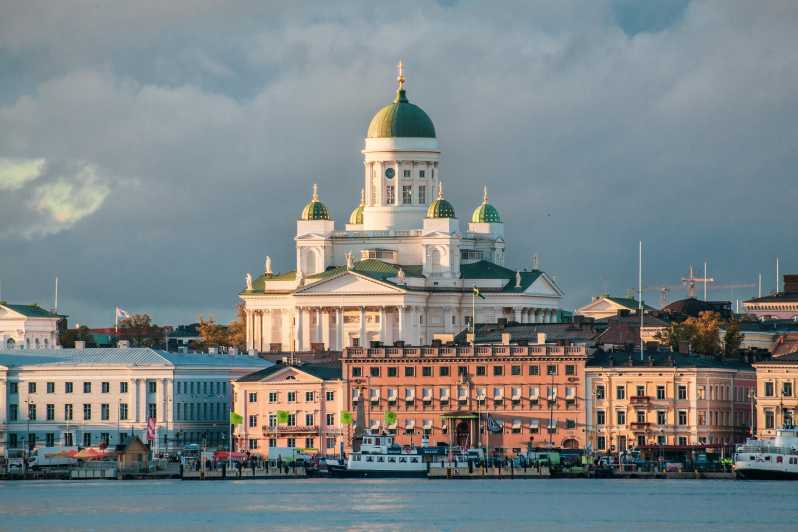
- Senate Square (15 minutes)
- Helsinki Cathedral (pass by, 5 minutes)
- The National Library of Finland (15 minutes)
- Robert’s Coffee Jugend (10 minutes)
- Kappeli (5 minutes)
- Esplanadi (10 minutes)
- Johan Ludvig Runebergin muistomerkki (5 minutes)
- Academic Bookstore (10 minutes)
- Rautatalo (5 minutes)
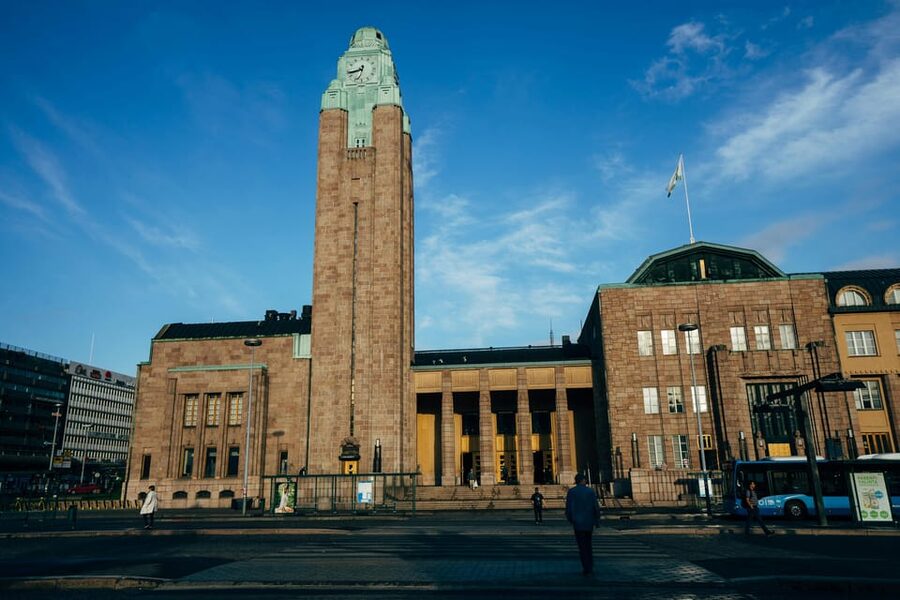
- Helsinki Central Station (10 minutes)
- Fazer Café Sanomatalo (visit, time included in the flow)
- Kansalaistori (15 minutes)
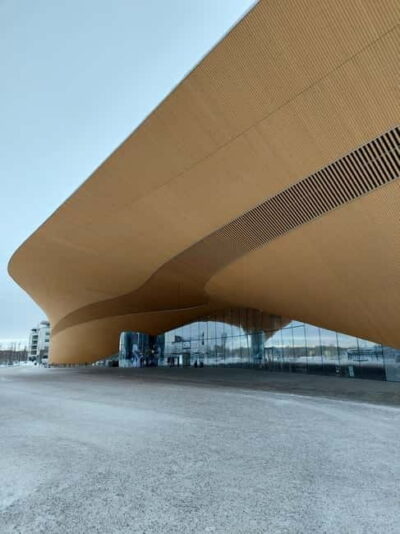
- Central library Oodi (20 minutes)
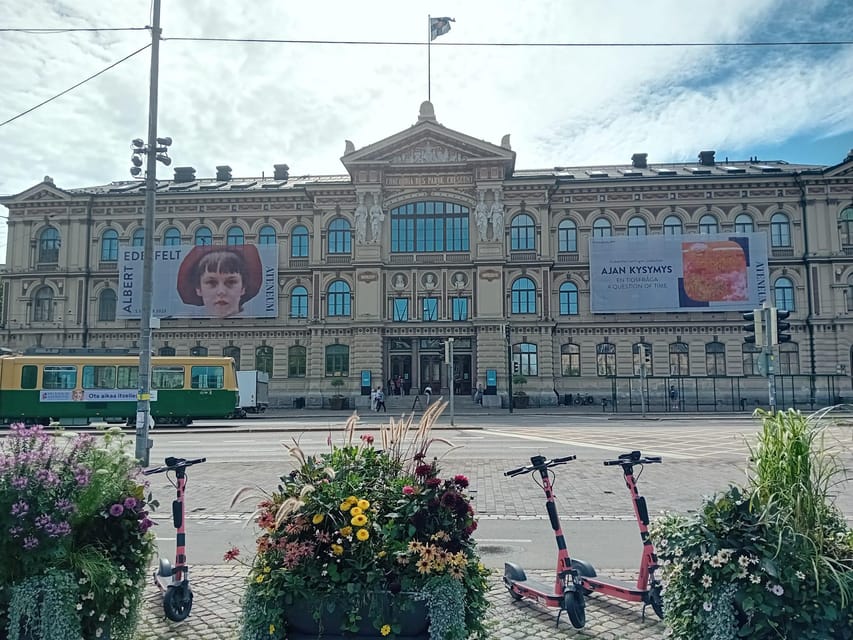
- Amos Rex (guided tour, 5 minutes)
- Kamppi Chapel (pass by, 5 minutes)
- Pohjola Insurance Building (5 minutes)
- Back to Fazer Café Kluuvikatu
- What you learn: how Helsinki turns styles into a city story
- Who this tour suits best
- Practical tips to make it easier on your day
- Should you book this Helsinki architectural highlights walking tour?
Key reasons this tour works
- Small group of up to 6 keeps the pace relaxed and questions welcome
- PhD-student guide in English brings cultural and political context, not just architecture talk
- Indoor time in major buildings like Oodi and other stops breaks up the cold and rain
- Helsinki’s design story in one loop, tied to 2012’s World Design Capital and UNESCO City of Design
- Style range in one walk, from neoclassical and gothic revival through modernism and contemporary design
- Customize ahead if you want a particular period or style focus
Price and Logistics: what $56 buys you
For $56 per person, you are paying for three things Helsinki tours often get wrong: structure, access, and interpretation. You get a tight 3-hour walking route built around some of the city’s best-known civic and cultural spaces, plus a local English guide who can connect architectural choices to Finland’s social and cultural priorities.
The pace is built for an introduction, not a sprint. You will cover 5 to 6 kilometers with multiple stops that include guided looks, pass-bys, and visits inside select buildings. That mix matters because outside-only tours can feel like sightseeing snapshots. Here, you get enough time inside to notice details you would miss on the sidewalk, and to understand what the spaces are meant to do for everyday people.
Two practical notes to keep you comfortable:
- You are walking rain or shine, so bring weather-appropriate clothing and a layer that survives wind.
- Food and drinks are not included, so you will want to plan a café stop on your own before or after.
Meet at Fazer Café Kluuvikatu, then get your bearings
The tour starts at Fazer Café Kluuvikatu, right in the city center. The guide waits in front of Fazer Café, so you should have an easy time finding the group without standing around.
This matters more than you might think. Helsinki can feel orderly and easy to navigate, but the architecture is what carries the drama. A good first meeting point sets you up for the route logic, and this one places you close to Helsinki’s biggest civic landmarks and the walkable spine of downtown.
You also get a nice confidence boost early. The group is limited to 6 participants, which usually means the guide can slow down for questions without turning the tour into a checklist that nobody can follow.
More Guided Walks in Helsinki
Stop-by-Stop: the 3 hours that connect styles and ideas

Below is the route in order, with what each stop contributes to the overall architecture story, plus any small “watch your step” considerations.
Senate Square (15 minutes)
You begin with Senate Square, the kind of place that immediately shows you how Helsinki balances monumental civic space with human scale. In a short time, the guide sets themes you will keep seeing: how power and public life get expressed through building design, and why some city spaces feel ceremonial even in daily use.
Practical tip: take a moment here to orient yourself. This is the moment to decide where you want photo angles later, because the rest of the walk is a progressive tour of styles.
Helsinki Cathedral (pass by, 5 minutes)
Next is Helsinki Cathedral as a pass-by stop. It is quick, but it helps create a rhythm: you see a major symbol, then move on to buildings that show how Helsinki’s look evolved rather than staying trapped in one era.
Because it is a pass-by, don’t plan on long photos at the best angle unless you are willing to pause briefly while the group moves.
More districts covered on foot:
- Helsinki: A Finntastic Walking Tour with a Local Guide★ 5.0 · 306 reviews
- Helsinki walking tour with a city planner★ 5.0 · 175 reviews
- Helsinki Walking Tour – Small Group★ 5.0 · 155 reviews
- Helsinki: Small-Group Walking Tour with City Planner Guide★ 5.0 · 91 reviews
The National Library of Finland (15 minutes)
At the National Library of Finland, you get a longer visit that signals what this tour values: buildings you can experience, not just photograph. Libraries come up for a reason in Helsinki. They are public spaces meant for learning, culture, and everyday civic life.
If you like architectural details on reading-room exteriors, entrances, and how buildings invite people in, this is a good stop to pay attention to how the design supports the building’s purpose.
Robert’s Coffee Jugend (10 minutes)
Robert’s Coffee Jugend is a smaller stop, but it helps the walk feel lived-in. Jugend is part of the tour’s overall theme of style variety, and this kind of building also shows how design shows up in ordinary city routines, not only in “important” monuments.
Consideration: coffee stops are short here. If you want a drink, treat it as a quick moment, not a long café break.
Kappeli (5 minutes)
Kappeli is a brief visit that works as a palate cleanser between larger civic buildings. You are switching from grand scale to the city’s social spaces, which helps your brain keep track of what type of architecture you are seeing and why it matters.
Even at 5 minutes, it can be worth paying attention to how the street scene frames the building.
Esplanadi (10 minutes)
On Esplanadi, the tour slows down just enough for you to understand the city’s pedestrian structure. This is where you see Helsinki as a walkable design system, not only as isolated landmarks.
Practical tip: keep your camera ready, but also keep your pace steady. This stretch is meant to connect the dots between stops.
Johan Ludvig Runebergin muistomerkki (5 minutes)
At the Johan Ludvig Runebergin muistomerkki, you get a short pause for cultural context. Monuments and memorials may not be “architectural,” but they are part of how a city narrates identity through public space.
Even a quick stop helps you notice how Helsinki places meaning into the urban layout.
Academic Bookstore (10 minutes)
The Academic Bookstore stop continues the tour’s “learning city” theme, with design and street life blending together. Bookshops are a quiet architectural signal: they point to values like education, reading culture, and public access to ideas.
This also works well if you are the kind of traveler who enjoys small interiors, signage, and the feeling of a space built for the public.
Rautatalo (5 minutes)
Rautatalo is a pass-through stop that reminds you the architecture story includes modern office and urban commercial design as well. It is short, but it is a useful contrast to the civic buildings you have seen.
Consideration: since it is only 5 minutes, don’t rely on it for deep inspection. Use it for quick observations and then move on.
Helsinki Central Station (10 minutes)
At Helsinki Central Station, you get a solid chunk of time. Stations are architecture with a purpose. They handle movement, gathering, arrival, and departure, which makes them perfect for a tour framed around city life and culture.
If your mind likes connections, this stop helps you link design choices to how people travel, commute, and experience the city center.
Fazer Café Sanomatalo (visit, time included in the flow)
Next is Fazer Café Sanomatalo. This is where the tour leans into contemporary city branding, because it sits in a space tied to modern Helsinki media and office life. You are seeing design not just as style, but as a continuing civic conversation.
You might not plan a full meal here since the tour does not include food, but it’s a good chance to warm up if the weather is rough.
Kansalaistori (15 minutes)
At Kansalaistori, the time allows you to experience Helsinki’s public market and meeting-space logic. This stop reinforces an important theme: architecture in Helsinki is not only about buildings looking good, it is about how people gather and use space.
Practical note: markets and public squares can feel windy. Keep an eye on weather so you can stay comfortable during the stop.
Central library Oodi (20 minutes)
This is one of the standout points: Central library Oodi. The guide spends time here because it is both a modern design statement and a functional public space. In the interviews and walkthroughs people mention this building’s distinctive “wave” shape, and it makes sense why it gets attention. Even from inside, the form helps you understand that this is a library designed for community life, not only quiet reading.
If you love interiors where geometry affects how you move and look around, you’ll enjoy Oodi. It is also a big weather-saver if Helsinki is throwing rain at you.
Amos Rex (guided tour, 5 minutes)
Then you reach Amos Rex for a guided look. It is short, but it still adds a contemporary arts-and-design layer to the itinerary. The key value is context, because the guide frames modern architecture as something shaped by present-day culture, not only by historic styles.
Because it is only about 5 minutes, go in ready to notice how the building uses light and public attention. If you want more time, plan a return on your own after the walk.
Kamppi Chapel (pass by, 5 minutes)
Kamppi Chapel is a quick pass-by that shifts the mood again. Religious architecture tends to bring scale, silence, and symbolism into a street-level walk. Even if you do not get long viewing time here, it helps the route feel balanced between civic, cultural, and spiritual design.
If you are photographing, expect the best results with patience, because pass-by stops are time-bound.
Pohjola Insurance Building (5 minutes)
The Pohjola Insurance Building stop keeps the architecture story moving through the city’s modern commercial era. It is short, but it is a reminder that Helsinki architecture is not only about the famous landmarks. It is also about the everyday structures that shape work life and the skyline.
Consideration: offices and workspaces sometimes have limited access, depending on day and opening hours. If you can choose dates, a weekday may give you smoother interior access at those types of stops.
Back to Fazer Café Kluuvikatu
You finish where you started, at Fazer Café Kluuvikatu. This is great for planning your afternoon. You have a clear end point in the central area, and you can easily connect to other activities without guessing where the group will stop.
What you learn: how Helsinki turns styles into a city story

This is a walking tour, but it is also an interpretation lesson. The route is designed to show a range of styles that Helsinki is known for: neoclassical, gothic revival, renaissance revival, art nouveau, Nordic classicism, functionalism, modernism, and contemporary design.
The guide is also a big part of the value. Because the guide is a Sociology PhD student, you get more than “this style started in year X.” You get why a city makes certain choices, how design reflects politics and social life, and how those choices show up in public spaces like libraries and squares.
You will also hear architectural names tied to Helsinki’s built heritage, including Engel, Saarinen, Sonck, Siren, Aalto, and more. Even when the stops do not map every architect you mention to one exact building, hearing these names in context helps you build a mental map. Later, when you see Helsinki on your own, you will recognize patterns instead of feeling lost.
One detail I really like from this format is customization. You can tell the provider ahead of time what periods or styles you want more of, so the tour can lean toward your interests rather than treating everyone the same.
Who this tour suits best

I think this tour fits best if you:
- Want a first taste of Helsinki’s design reputation without studying for weeks
- Like walking tours with small groups and time inside major buildings
- Enjoy architecture, but also want cultural context, especially for how public life shapes spaces
- Prefer a route that is compact enough to work even with limited time in the city
If you hate walking in the cold or rain, this might feel like punishment because it runs rain or shine. And if mobility access is an issue, it is not suitable for wheelchair users.
Practical tips to make it easier on your day
A few small choices can make a big difference here:
- Wear weather-appropriate clothing and shoes that can handle wet sidewalks.
- Bring your own water. The tour does not include food and drinks.
- If you care about photos, accept that some stops are pass-by. Save your highest photo effort for the longer visit spots like Oodi and the National Library of Finland.
- If you are visiting on a weekend, keep in mind that some office-like buildings can have limited access hours. If possible, aim for a weekday departure.
Should you book this Helsinki architectural highlights walking tour?

I’d book it if you want a high-value orientation to Helsinki that mixes classic and modern architecture in one 3-hour walk, with a guide who can explain what you are seeing in terms of culture and society. The small group size, the range of styles, and the time spent inside places like Oodi make this feel efficient rather than rushed.
Skip it if you need a slower pace, cannot handle 5 to 6 kilometers of walking, or need wheelchair access. Also skip it if you only want exterior sightseeing and hate indoor time, because the tour includes visits.
If your goal is to leave Helsinki with a clear mental map and a better eye for design details, this is a smart way to start.
Fresh tracks out of Helsinki
- 5-Day Cultural Capital Tour in Helsinki, Porvoo, and Tallinn
★ 5.0 · 4 reviews - Helsinki Highlights: walking tour with local guide
★ 5.0 · 4 reviews - VIP Highlights Helsinki Sightseeing Private Service
★ 4.5 · 4 reviews - Helsinki Gems: Happiest Country Experience from Cruise Port
★ 4.5 · 4 reviews - Evening Cruise
★ 3.5 · 4 reviews - From Helsinki: Luxury Trip to Tallinn Ferry +VIP Car
★ 5.0 · 4 reviews - Explore Helsinki’s Art and Culture with a Local
★ 4.5 · 5 reviews
Guided Walks in Helsinki, compared.






Small-Group Walking Tour with City Planner Guide
Read our review →
Browse the lists this tour appears in